
Fishing unfamiliar water can feel overwhelming fast.
Especially without any local intel… or confidence in where to even begin.

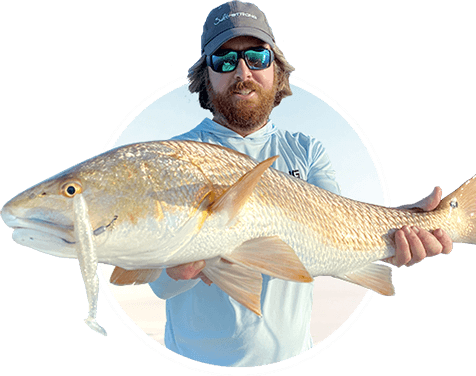
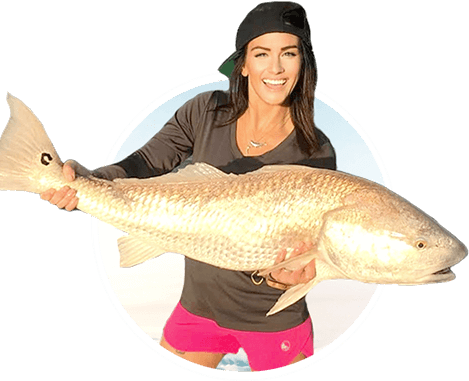
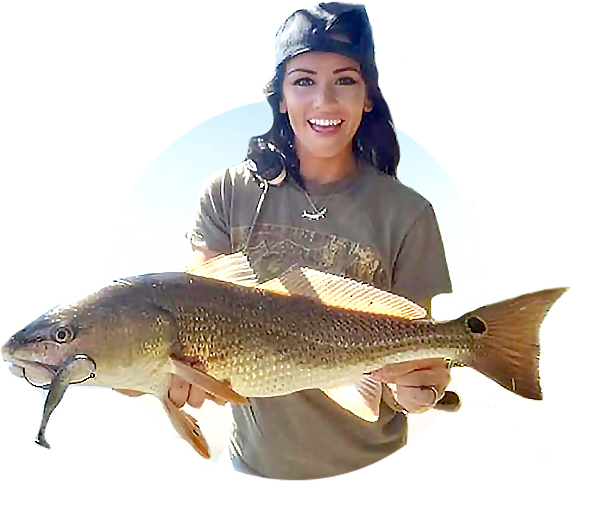
But this trip turned into a full inshore slam with redfish, trout, flounder, and even a few bonus jacks mixed in.
It wasn’t about having a “secret spot.”
It was about understanding why fish were positioned in certain areas during specific stages of the tide and using a system to narrow everything down quickly.
If you’ve ever struggled breaking down new water, check this video out below.

Featured Gear
- Lure 1: Mulligan Paddletail
- Hook 1: 4/0 Hoss Helix Hook 1/8 oz
- Lure 2: 2.0 Paddetail
- Hook 2: 2/0 Hoss Round Eye Jigead 1/8 oz
- Rod: Slam Stick Medium Light
- Reel: Otis 2500
Featured Software
How To Break Down New Water Faster
This trip started by fishing an area that hadn’t been visited in a long time.
Instead of relying on local knowledge, the process started by using Smart Fishing Spots to:
- Check tides
- Monitor feeding windows
- Look for productive creek systems
- Identify areas likely to hold water during falling tide conditions
That planning helped narrow down the search before ever making the first cast.
Why Oyster Beds Were Holding Fish
One of the biggest clues throughout the trip was isolated grass clumps sticking out of the marsh.
Those random clumps often indicate nearby oyster beds.
And those oyster beds created:
- Ambush points
- Current breaks
- Structure
- Bait concentration areas
Several of the fish came directly off oyster edges and current seams near these isolated patches.
Why The Falling Tide Made This Area Better
As the tide continued falling, it became clear that some areas were losing too much water too quickly.
Instead of staying put, the move was to look for creek bends with deeper water that could continue holding fish through low tide conditions.
That adjustment completely changed the trip.
Once the deeper creek bend was located, the area turned into a classic “90/10 Zone”:
- Multiple keeper redfish
- Multiple keeper flounder
- Trout
- Consistent bites from one small stretch of water
Instead of randomly covering water, the focus became repeatedly fan casting the productive zone once the fish positioning was identified.
Why Lure Visibility Helped Early
The same Mulligan soft plastic stayed tied on for most of the trip, but visibility still mattered.
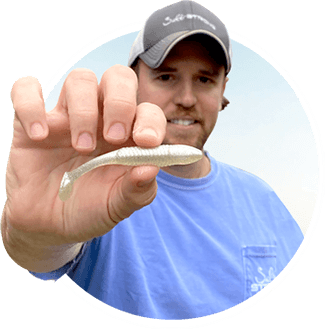
During low-light morning conditions, the lighter Fred color with a chartreuse-dipped tail created additional contrast and visibility around the oyster beds.
As the sun got higher, darker colors became a consideration as lighting conditions changed.
The key takeaway:
- Contrast matters
- Light conditions matter
- Visibility can help fish locate lures faster
A Simple Kayak Fishing Tip Worth Remembering
One important lesson came when a redfish ran underneath the kayak during the fight.
Instead of high-sticking the rod and risking a break, the rod tip was dipped into the water to safely guide the fish around the kayak and rudder system.
It’s a simple adjustment that can help prevent broken rods and lost fish.
Why This Wasn’t About A Secret Spot
This trip wasn’t about a magical lure or a secret spot.
It was about understanding:
- Tide stages
- Water levels
- Structure
- Current flow
- Fish positioning
- Feeding behavior
And then using a repeatable system to connect all of those pieces together.
That’s what allowed unfamiliar water to become productive water quickly.
Final Thoughts
Most anglers assume they need years of local knowledge to consistently catch fish in new areas.
But understanding the conditions fish need often matters far more than simply knowing a spot name on a map.
Sometimes all it takes is finding one productive creek bend and understanding why the fish are there.



Great catches Pat awesome
yes
Thanks for another informative video Pat!
I fish up in Jax and have good success with a 1/8 oz weedless Hoss Helix. I haven’t had much success with top water over the oysters. Any recommendations on what tide cycle and when in the tide cycle they may work best would be greatly appreciated. Thanks for all the help!
I always learn something from your videos Pat. Thanks
That’s the goal! Thanks for watching!
thanks Pat! Great info as always
You are welcome Leroy!
Another great post Mr. Ogletree!
I just love your posts, and, I’m always keeping an eye out for them.
Salt Strong indeed!
Still in my first year with y’all, and I’m constantly learning and I hope improving!
I come to Salt Strong after 30+ years as a Fire Fighter. Retired now and I’ve discovered that I just love fishing! No experience, but, I did find Salt Strong!
Thanks again Sir.
Stay Safe and keep them coming.
So happy to hear you’re enjoying all we have to offer! Thanks for watching!
Good time on the water. Thanks Pat
Thank you Jeremy!
Thanks for the video and tips! How did you color Fred’s tail chartreuse?
I use a product called worm paint. On lighter color lures the chartreuse works well but on dark colors you need to dye it white and then chartreuse.
thanks!
Butler flats oyster mine field? I’m just starting to explore the mouth of that creek by 206? haven’t figured out my exact path back there with the boat. Love everything you put out.
That’s the spot! Not sure if you’re getting back at low tide.
Thanks for watching!
Definitely not at low