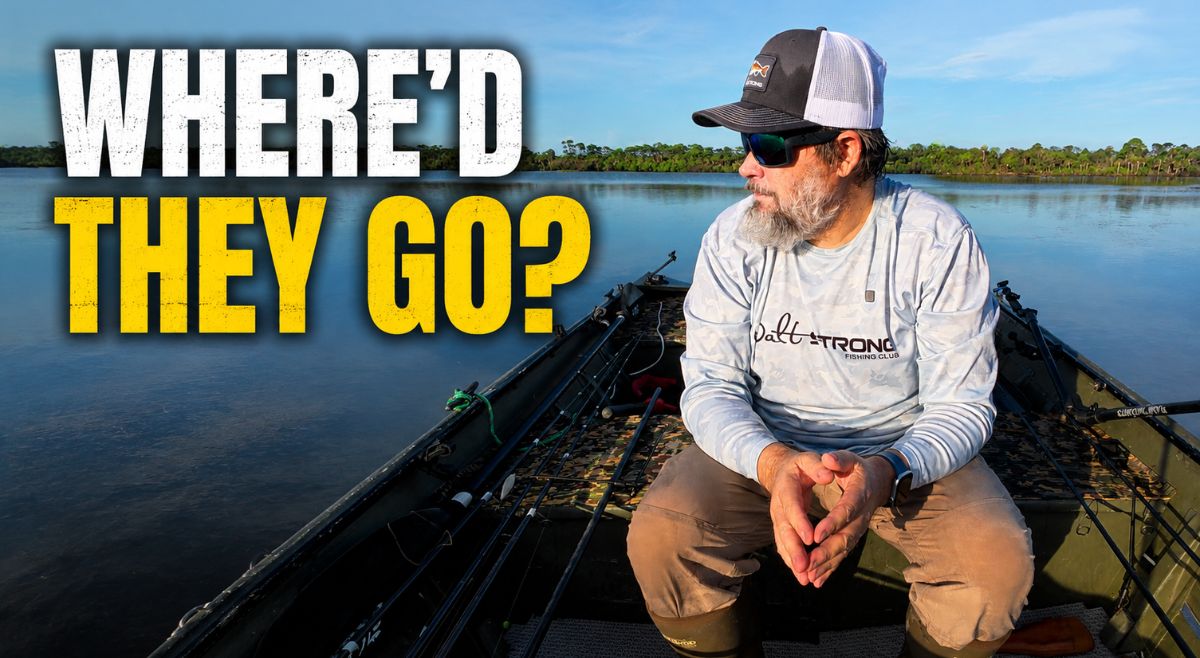
Ever hit that point in the summer where it feels like the fish just STOP biting?
You were catching them consistently a few weeks ago…

Then the water temperatures climbed into the upper 80s and 90s, and suddenly those same spots and tactics stopped producing.
Welcome to the summer slump!
The good news is the fish haven’t disappeared.
You may just need to change WHEN and WHERE you’re fishing.
Here are four things you can do to find more redfish, snook, trout, and flounder during the dog days of summer.
Check it all out below!

Featured Software:
Should You Start Fishing Earlier In The Summer?
Absolutely.
And we’re not just talking about getting on the water at sunrise.
During the hottest part of the summer, many fish shift their feeding windows to the coolest part of the day.
That can mean 2, 3, 4, or 5 o’clock in the morning.
By that point, the water has had all night to cool down, and fish may become more active before the sun comes up and starts heating everything back up.
So if you normally arrive at your fishing spot around first light, try getting there BEFORE first light.
You may discover that the best feeding window is already happening while you’re normally still driving to the ramp.
Just remember that fishing and boating in the dark comes with additional risks.
If you’re not experienced fishing before sunrise, go with someone who knows the area and is comfortable navigating in the dark.
Why Are Grass Flats So Good During The Summer?
One of the biggest problems with extremely hot water is lower dissolved oxygen.
And fish need oxygen!
Healthy green grass can help create better conditions for fish because it produces oxygen.
So if your area has healthy grass flats, they can be excellent places to start looking during the summer.
But not every grass flat is created equal.
One of the best things to look for is a broken bottom.
These are areas where grass is mixed with patches of exposed sand, creating a camouflage-like appearance.
Those sandy potholes create ambush points where predators can wait for baitfish and other prey.
Another major factor is nearby deeper water.
Look for grass flats next to:
- Channels
- Drop-offs
- Deeper holes
- Other significant depth changes
Fish can move onto the grass when conditions are comfortable and then slide into deeper water as the sun gets higher and the shallows heat up.
A healthy grass flat with broken bottom AND quick access to deeper water can be a great combination during the summer.
Why Should You Fish Closer To Inlets And Passes?
No grass flats in your area?
Start looking toward inlets and passes.
An incoming tide can bring cooler, oxygen-rich water from the Gulf or Atlantic into warmer bays and estuaries.
That moving water can also bring bait with it.
And the fish know it!
This doesn’t mean you have to fish directly inside a pass or inlet.
Nearby marshes, structure, flats, and other areas influenced by that incoming water can all hold fish.
This can be especially important if you’ve been fishing way back inside creeks and only finding smaller fish.
Juvenile fish may remain in those backwaters, but larger fish can shift toward areas closer to inlets, passes, and better water during the hottest part of the year.
Don’t Forget About The Surf!
The surf can be another excellent option during the dog days of summer.
Redfish, snook, trout, and flounder can all move along the coastline this time of year.
And you don’t necessarily need to make a 100-yard cast to reach them.
During higher tides, fish can move into the first trough right along the beach.
In some situations, that means casting almost parallel to the shoreline rather than bombing your lure as far offshore as possible.
If your usual spots inside the bay aren’t producing, the beach may be worth checking out.
Can Fishing A New Area Help Break A Slump?
Sometimes the best thing you can do is leave your favorite spot behind.
When we fish the same areas over and over, we develop expectations.
We know where we caught fish last week.
We know which point usually holds redfish.
We know which shoreline “should” have trout.
And when those patterns stop working, it can be difficult to abandon them.
Fishing completely new water forces you to start thinking again.
Instead of relying on old waypoints and previous catches, you have to look at the conditions and figure out where the fish SHOULD be right now.
Try driving an hour north or south.
Fish another bay.
Try the opposite coast if that’s an option.
Worst-case scenario, you explore some new fishing grounds.
Best-case scenario, you break out of that summer slump and discover a completely new fishery!
Final Thoughts
You don’t have to stop fishing just because the water gets HOT.
But you may have to stop fishing the same way you did earlier in the year.
Start earlier, find healthy grass near deeper water, move closer to inlets and passes, check out the surf, or explore completely new water.
The fish are still out there.
You just have to adjust to what they’re doing NOW.
What’s your favorite way to find fish during the dog days of summer?
Let us know down in the comments!



Excellent video, Pat. This is great info, I have to work better at my pre trip planning.
George Layton and I have been fishing at night and have been successful. It’s a great time to fish, the water is cooler and there is no pressure from other fishing people. The only down side is the bugs, they can be brutal!
Thanks great information
That’s some great tips there Pat.
Great points, appreciate it.
Good information on moving to the surf ! Crashing waves generate more dissolved oxygen and water spray creates evaporation which cools those areas down. Never given that much thought as to how it can affect fishing!
Thanks pat appreciate that
Pat, noticed that you seem to always fish a smaller boat. Would be interested in having you go over some of the things you have done to make it more fishable. Seems like you don’t need to spend $35-50 to have a fishable boat for inshore fishing. Thanks for all the useful tips..
You really puzzle me Pat because you never talk about night fishing is have been night fishing for a very long time because this yankee hates the heat but loves florida fishing and my very simple solution is simple FISH AT NIGHT no pressure no heat and in reality have found in my 56 years of total fishing and 24 of those in the inshore saltwater scene more active fish as well but you keep wearing your long sleeves and boots and gloves to protect yourself from the relentless oppressive florida heat and I’ll go out long after you have left and catch all I want not having to put up with long waiting launch times at crowded public ramps and stupid inconsiderate boaters as well as selfish jet skiers and I love it that no body wants to take my advice because simply MORE FOR ME ha ha thanks for your input and all you do🤔😉👍
You Go Pat
Why did you comment on my post to pat you should of commented to him and not me🤔
He said, “That can mean 2, 3, 4, or 5 o’clock in the morning.” In Florida and the Gulf Coast at this time of year that is nighttime.
Your right that can be night time but alot of times I go just as soon as it gets dark because all the other anglers are heading in and then the night quiets down that’s the best time to be out I follow what the tides say and if its a good tide early in the night I go but if its late I go as well but yes my ideal tide would be a high around 11pm so I usually launch by around 12 am giving the tide enough time to strengthen and fish until dead low by around roughly 5 am when its dead low where I’ll eat a little something waiting for the tide to shift to incoming where I’ll fish it until maybe around 10am at the latest and thats only if im catching or getting strikes otherwise around 9am im heading in this has worked for me now for going on 24 years now in the saltwater inshore scene and will also work for freshwater bass as well because the night time is the best time in the summer hot months thanks for your reply😉👍
Thanks Pat for another great video. Lots of suggestions and tips