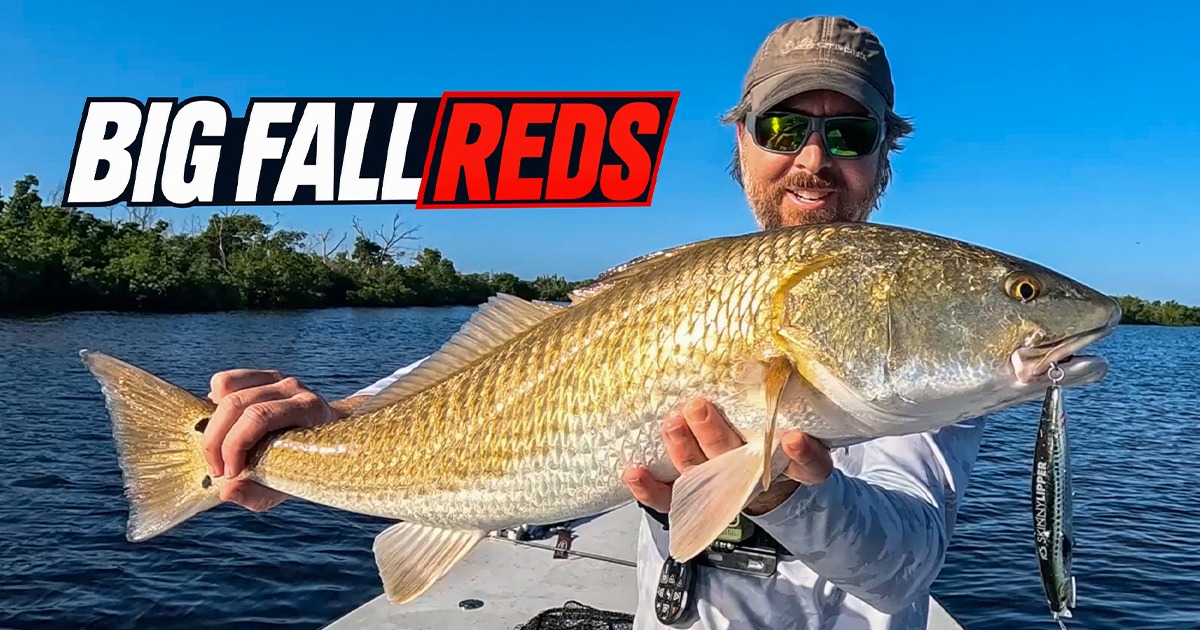
Fall is one of my favorite times of year to target BIG redfish, especially when they’re roaming the flats in schools and feeding on mullet.
But there’s a catch: These fish are constantly moving, so finding them is often the biggest challenge.

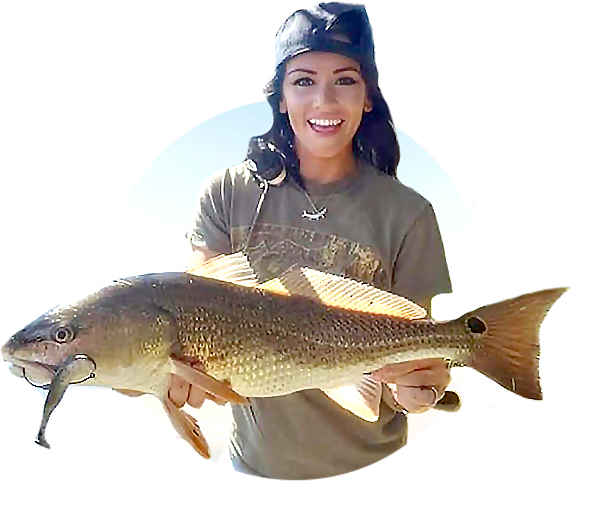
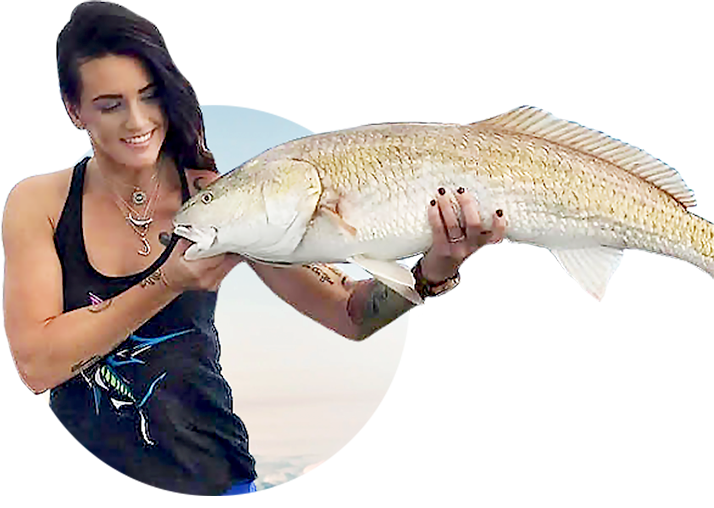
On this trip, I had just a few hours to make it happen. I ended up catching snook, plenty of trout, and multiple oversized redfish!
In the video below, I’ll walk you through exactly how I found these fish, the lure adjustments I made throughout the morning, and the strategy that helped me locate those big schools of reds.

Want to fish the same lures I used to find these big reds? Grab our Ultimate Fall Lure Bundle and get the Skinny Lipper XL for FREE!
Featured Gear
- Lure 1: Skinny Lipper XL
- Lure 2: Mulligan 5″ Bomber
- Lure 3: Prawn OG
- Rod: Slot Machine (Medium-Heavy)
- Reel: Otis 3000 (Coming Soon)
- Line: 15 lb J-Braid 8 Grand
- Leader: 30 Ib Ande Mono
Other:
- Boat: 22 ft Micro Draft Skiff
- Sunglasses: Smith – Guide’s Choice
- Solar Hoodie: Sky Camo Salt Strong Hoodie
1. Follow the Bait to Find Fall Redfish
One of the biggest keys to fall fishing is finding areas with lots of bait.
On this particular morning, I started along a shoreline that was absolutely loaded with mullet. There were ripples and baitfish everywhere, which was exactly what I wanted to see.
I knew big redfish, snook, and trout could be feeding in the area.
And sure enough, I quickly spotted a school of redfish pushing through the shallows!
Unfortunately, the no-see-ums were so unbelievably bad that I had to leave the area before I could properly work the school.
Not exactly the start I was hoping for!
But here’s the important part: I knew I was in a productive zone, so I made a point to return later in the morning.
When you’re fishing in the fall, pay close attention to large concentrations of bait, especially around flats, shorelines, and areas where wind and current can help position feeding fish.
You might not find the redfish immediately, but locating their food is a great starting point.
2. Adjust Your Lures as Conditions Change
I started the morning throwing the Skinny Lipper XL.
This is one of my favorite lures for covering water in the fall because it casts incredibly far and creates a lot of action just below the surface.
I was using a triple-twitch-and-pause retrieve to get the lure darting from side to side, which helped trigger some nice snook strikes early in the trip.
But as the sun came up and conditions became calmer, I decided to make an adjustment.
I switched to a weedless 5-inch Mulligan Bomber paddletail.
This allowed me to work closer to the mangroves with a more subtle presentation while still covering plenty of water.
The retrieve was simple: a mostly steady retrieve with an occasional slight movement of the rod tip.
And the trout absolutely loved it!
I was getting strikes cast after cast.
But I wasn’t out there looking for numbers of smaller trout. I wanted those big redfish.
So I switched back to the Skinny Lipper XL to cover more water and increase my chances of connecting with larger fish.
The lesson here is that your lure selection should match the conditions and the fish you’re targeting.
Sometimes a subtle paddletail is the better choice. Other times, you need something that draws attention from a distance.
3. Keep Moving Until You Find the BIG Fish
This was easily the most important lesson from the entire trip.
During the fall, big redfish often travel in schools, moving across the flats as they follow bait.
You might find a school in one location and return an hour later to discover they’ve completely disappeared.
That’s why I was constantly covering water instead of sitting in one spot.
Even though I was catching trout consistently, I knew I needed to keep moving if I wanted to find those bigger reds.
Eventually, that strategy paid off.
I hooked into a solid redfish, and shortly afterward, I noticed an unusual wake moving across the flat.
It looked a little too big to be a mullet.
I made a long cast, worked my Skinny Lipper XL through the area, and BAM!
Fish on!
Even better, I could see an entire school of BIG redfish moving through the shallows.
After landing my first oversized redfish, I continued working the area and managed to connect with another monster before heading back in.
That right there is what makes fall fishing so much fun!
And it’s also why casting distance can be such an advantage when targeting these fish.
The farther you can cast, the more water you can cover without getting too close and potentially spooking the school.
Final Thoughts
The biggest takeaway from this trip has nothing to do with a secret lure or a specific fishing spot.
It’s about having a plan, locating productive areas, and covering enough water to find feeding fish.
In fact, I’ve now had success on three consecutive trips exploring new waters using the same general approach we’ve been covering in our Insider Weekend Game Plans.
Finding big flats, paying attention to wind and current, and positioning yourself to effectively cover water can make a HUGE difference.
And when you combine that with the right lure selection, you give yourself a much better chance of finding those big fall redfish.
Check out my prior trip below:
Have you been seeing schools of big redfish in your area this fall? And what’s your favorite lure for targeting them?
Let me know in the comments!
Frequently Asked Questions
Where should I look for big redfish in the fall?
Start by looking for large schools of baitfish, especially mullet, around shallow flats, shorelines, and funnel points. Pay attention to wind and current because they can influence where bait and feeding fish concentrate.
What’s the best lure for big fall redfish?
It depends on the conditions, but I really like the Skinny Lipper XL for covering water and targeting larger fish. Its long casting distance and darting action make it especially useful when searching for roaming redfish schools.
Should I stay in one spot or keep moving when targeting fall redfish?
If you’re not getting bites or seeing signs of feeding fish, keep moving. Fall redfish often roam large areas following bait, so covering water can dramatically increase your chances of finding a school.
When should I switch from a hardbait to a paddletail?
I like switching to a paddletail when conditions are calm, I need a more subtle presentation, or I want to work tight to structure. A weedless paddletail can be especially useful when fishing around mangroves and shallow cover.



only thing I have found that works good and for a period of time is Off deep woods with a high content of deet.. No gnats works ok but not for long you have to keep putting it on.
I completely understand the bite from “No Seeums” or alias FLYING TEETH. I lived on the West coast of Florida for 12 years and battled them until I discovered Avon’s Sin So Soft spray. Not even sure if it is still available yet once I stated using that the FLYING TEETH stayed away!
Ranger Ready 20% Picaridin. No scent, no oil and actually recommends that you can pretreat your clothing. (pretreat your hat) I live on the Braden River and have delt with no see ums for 40yrs. I don’t like deet, it works but makes me ill. You won’t even know you have Ranger Ready on except the bugs aren’t bugging you.
Try No Natz, Luke. Bugs will still swarm around you, but won’t bite.
Thanks for sharing the helpful intel Tom! I sure wish I had it on hand the morning of this trip.
The best thing to use for the gnats is “Cutters” spray with 40% deet. I assure you will appreciate it. A can stays in my tackle bag. Very experienced with insects here in Savannah coastal marsh estuaries
Thanks for sharing the helpful intel Mark!
Thanks Luke. Makes me want to head to the coast.
We’re glad to see that you enjoyed this video.
Well as for me since I moved more inland and a little further south from Jacksonville to now Middleburg Florida I am now about at least 40 miles from any saltwater so I only go on the high solonar score days which is every other week so my planned trips are scheduled on the highest feeding activity periods my last night fishing trip was this past early Monday morning into 9am and while there was plenty of bait mullet that is no big fish were caught but I did have a very large red that exploded and barely missed my topwater so although I did manage 9 fish total with 2 slams only 2 fish were legal 2 trout in the 16 inch range and even though I lost 1 but caught 2 nice flounder being that the only people who can keep flounder right now until the 1st of December are the commercial giggers a law that is soooo unfair one would have to be really stupid to not see this or obviously not care which obviously the official who made it a law absolutely does not pretty sad and unfortunately this weekend of the 14th into the 15th an extreme cold front is hitting our area with tenps into the high to low 60s by day and pretty chilly lows of the mid 40s by night so I’m sure the mullet run will be over by then and we might have to start fishing early winter patterns by then while it seems water temps are not that important to you that is my primary way i determine how the fish are going to feed because every fish has its own comfort zone but if its to hot or cold of that zone the fish can become sluggish and harder to catch been working for me for going on 24 years now this coming March so all I can say is different strokes for different folks and what works for some and not all thanks for your valuable Intel and what you do🤔😉👍
Thanks for sharing the helpful tips Steven!
Believe it or not Ors Olive Oil Nourishing Sheen Spray works.
I’ll be sure to give this a try. Thanks!
I just use deep woods off in the dry spray no sticky mess and it works great but a helpful tip for anyone using bug spray other then costa sunglasses the brand I use by the way i have found some cheaper brands the bug spray has a tendency to eat through the plastic particularly by the temple area because the arms of the sunglasses are what are in most contact with ones face I have had several brands break and were eaten through making them useless but not my Costas just saying🤔
Ran into an issue this weekend where I could see the reds moving but mostly holding in about 2.5-4 feet of water. No matter which lures I was throwing (I threw everything from topwaters to bottom jigs), the crevalle jacks were slamming everything before any other fish had a chance. Don’t get me wrong. They are fun to catch, but they’re not at all what I was targeting. This was true in almost every spot, and I covered about 4.5 to 5 miles of water.
Those jacks sure are aggressive… unfortunately they’ll often hold around the redfish schools, and they seem to be very good at grabbing lures before reds can get to them.
Use Off Clean Feel with Picaridian. Works well for most bugs here in NC and when I go fishing in NZ for sand flies. Very safe. Otherwise the old stand by Off with 100% Deet.
Thanks for sharing the helpful intel!