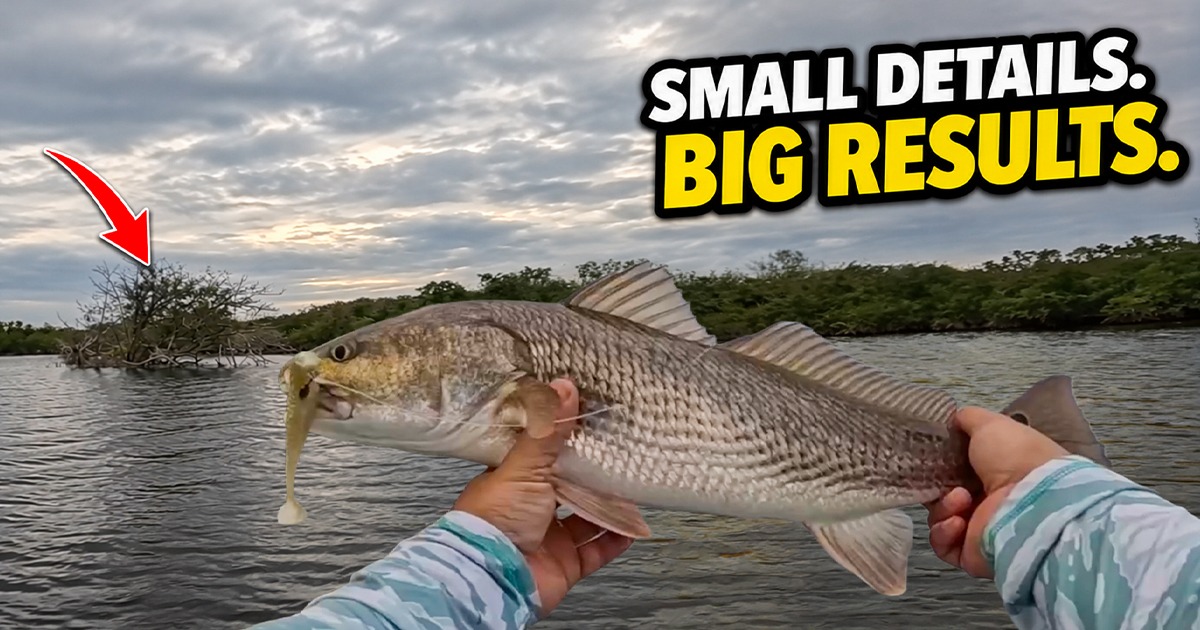
You can be fishing the RIGHT spot, throwing the RIGHT lure, at the RIGHT time…
And STILL struggle to catch fish!
That’s because once you get past the basics of inshore fishing, it’s often the smallest details that separate a frustrating trip from an incredible day on the water.
In the video below, I’m breaking down three important details that can make a HUGE difference in your fishing success.
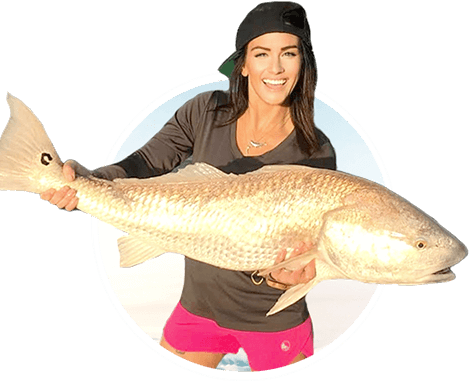
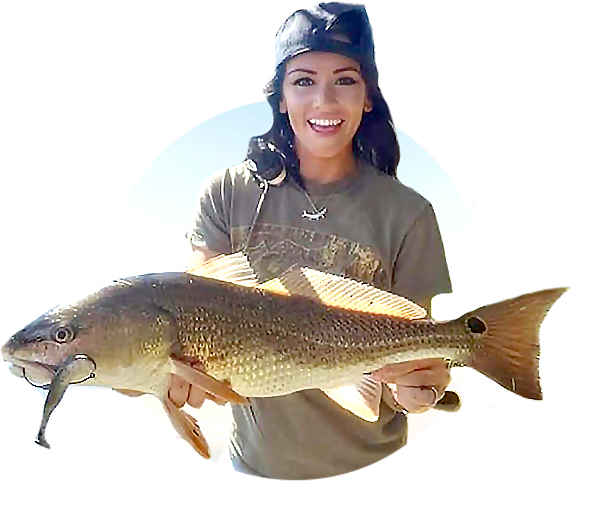
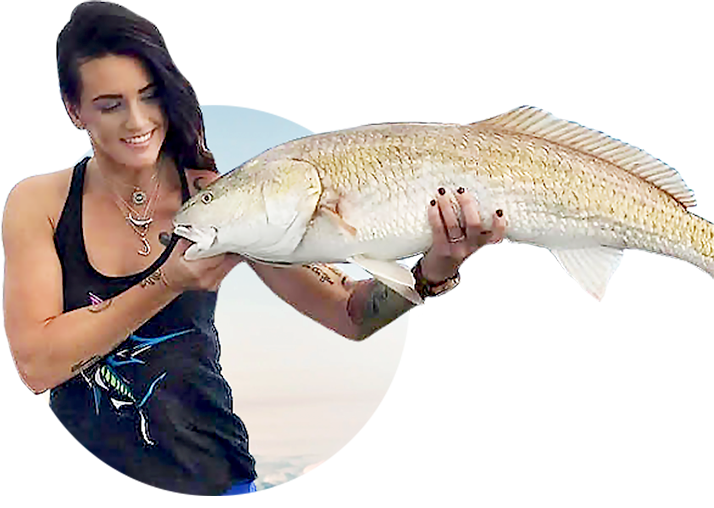
And I’ve got some nice redfish and snook catches to prove it!

Featured Gear:
- Rod: Slot Machine Medium
- Reel: Otis 2500
- Lure : The Mulligan 5″ Bomber
- Hook: Hoss Helix Hook 4/0 1/8oz
- Mainline: Diawa J-Braid 10lb
- Leader: Ande 15lb Mono Leader w/ 30lb Tippet
1. Find the BEST Spot Within a Good Fishing Spot
Just because you’ve found a productive shoreline doesn’t mean fish are feeding along the entire stretch.
You need to find the 90/10 zone WITHIN the 90/10 zone!
When I’m working a shoreline, I’m looking for anything that stands out:
- Small islands, cuts, or points
- Isolated trees or submerged structure
- Culvert pipes with moving water
- Areas where baitfish might concentrate
During this trip, I caught redfish near unique shoreline features and a nice snook near a culvert pipe with flowing water.
The lesson? Don’t just find a good fishing spot. Find the BEST areas within that spot!
2. Pay Attention to Boat Positioning and Casting Angles
You can have the perfect lure tied on and still get ignored if you’re approaching fish incorrectly.
First, give yourself enough distance from the fish to avoid spooking them.
During this trip, I stayed roughly 20 to 25 yards away from the structure I was targeting.
Next, pay attention to the current.
Ideally, you want to cast into the current and retrieve your lure naturally with the flow of the water.
If the wind isn’t cooperating, try casting across the current instead.
Avoid retrieving directly against strong current when it’s pulling your lure out of the strike zone.
Small adjustments to your casting angle can help keep your lure in front of feeding fish longer.
3. Make SMALL Presentation Adjustments Before Switching Lures
When fish aren’t biting, it’s tempting to start changing lures.
But sometimes you already have the right lure tied on!
Before switching, try adjusting:
- Retrieve speed: Slow down or speed up depending on how fish are responding.
- Pauses: Give fish an opportunity to strike during your retrieve.
- Rod tip position: Keep it lower to help your lure stay deeper in the water column.
- Lure action: Experiment with subtle movements instead of constantly working your lure aggressively.
During this trip, I was using a larger 5-inch Mulligan Bomber paddletail.
With bigger lures, sometimes less action is MORE effective!
The key is figuring out what the fish want before completely changing your approach.
Final Thoughts
Catching more inshore fish isn’t always about finding a secret spot or buying another lure.
Sometimes it’s about paying attention to the little details.
The next time you’re fishing a promising area without getting bites, take a closer look at your positioning, casting angles, and lure presentation before moving on.
And if you want help putting together a better fishing game plan, check out the Salt Strong Insider Club.
What’s one SMALL adjustment that’s made a BIG difference in your fishing?
Let me know in the comments!
Frequently Asked Questions
Why am I not catching fish in good inshore fishing spots?
Fish often concentrate around specific features rather than spreading evenly throughout an area. Look for unique structure, moving water, and places where baitfish gather.
Should you cast with or against the current when fishing artificial lures?
Casting into the current and retrieving with the flow often creates a more natural presentation. Casting across the current can also help keep your lure in the strike zone.
Should I change lures when fish aren’t biting?
Not always! Before switching lures, experiment with your retrieve speed, rod tip position, casting angle, and lure action. Small adjustments can sometimes make a BIG difference.



Culverts = fish in a barrel a High % of the time 🤜🤛
For sure!
Very good video
Thanks Charles!
Spot on as usual Tony its very true that the little things can make all the difference needed in making or if one doesn’t pay attention breaking ones success in fishing and maybe its my old fashioned baby boomer mentality when I say slow down and work an area thourally before moving on to many times I see anglers pull up to an area and make a couple casts then stop and roar off to another area in fact about a year ago during the winter I was fishing an area and was waiting for tge tide to move a little more and this angler went past me in this creek casting and reeling very fast and after he fished a spot I was going to try he motored off passing me so I slowly headed to the area he had just fished and after arriving to it about 15 min after he had left I spooked a nice red off and immediatly turned and fired a cast with the Ole chasebaits flickprawn and after 1 twitch of the rod the red hammered it i should also mention that I have noticed alot of anglers playing very loud music while fishing a big no no as well because sound travels faster and is more clearer in water then air so that nice exspensive marine stereo one purchased to me is a big waste of money unless of coarse one doesn’t want to be successful on the water maybe those people should take up water skiing instead of angling anyways just saying thanks for the valuable info as usual Tony and what you do🤔😉👍
Thanks Steven! Yeah people can get impatient in a boat. Starting out fishing from a kayak taught me a lot of patience and stealth!
Thanks Tony. 🤗🎣🙏💯
You’re welcome Bob!
What brand and type of boat are you using. I’m looking for something like this to fish up in the creeks where I live
Its a 15’6 Gheenoe Classic. Here’s a quick walkthrough of it:
https://www.instagram.com/reel/DbHP4mjBw3E/?utm_source=ig_web_copy_link&mdxt=MzRlODBiNWFlZA==&srtk=MzRlODBiNWFlZA==
Which Gheenoe is that Tony? I’m considering getting one, but it has to support a trolling motor.
Hey Eric! Its a 15’6 Gheenoe Classic. Here is a quick walkthrough of it:
https://www.instagram.com/reel/DbHP4mjBw3E/?utm_source=ig_web_copy_link&mdxt=MzRlODBiNWFlZA==&srtk=MzRlODBiNWFlZA==
100% spot on Tony, ESPECIALLY about staying with the same lure trying varied presentations. Thanks for a most important tutorial !!
Thanks George!
Great advise once again Tony!
Thanks Leo!
good advice
Thanks David!
On your line test video on monofilament versus fluorocarbon. at times I finesse fish, I want my lure to look a certain way. I was wondering which line is best for finesse fishing seeing that monofilament is thicker than fluorocarbon. Plus monofilament floats where fluorocarbon sinks.
I prefer monofilament because it’s not as stiff as fluoro.15lb monofilament is about the equivalent diameter of 20lb fluorocarbon (generally). SO if you typically use 20lb fluoro, bump down to 15lb mono.