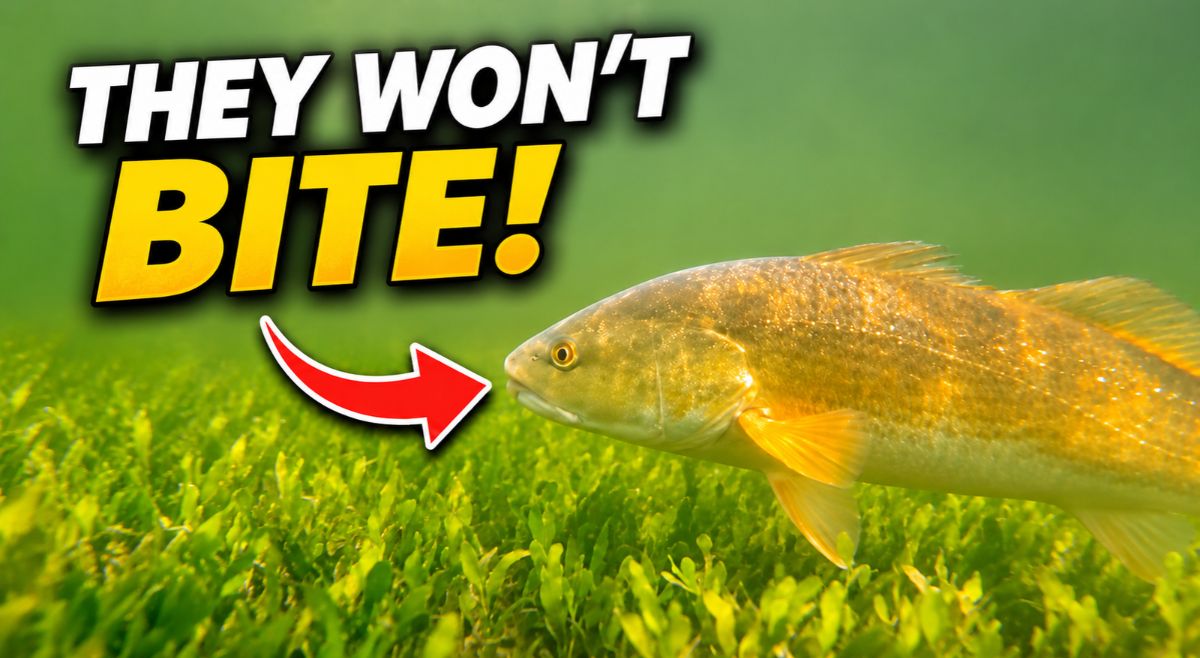
There’s nothing better than getting out on the water on a beautiful day. Bluebird skies, hardly any wind, and calm water.
Unfortunately, those picture-perfect conditions can sometimes make for some of the toughest fishing you’ll experience.
I recently found myself in that exact situation.
I tried several of my go-to lures, but the fish just weren’t interested.
Then I noticed something about the way the redfish were behaving that made me completely change my approach.
One simple adjustment made all the difference, and just a few casts later, I had a nice upper-slot redfish on the line!
Here’s what I noticed, the rig I switched to, and why it can be so effective when the fish just won’t cooperate.

I’m using the Slam Stick Medium-Light in this video, and it’s up to 50% OFF for Black Friday! If you’ve been eyeing one, now’s a great time to grab it.
Featured Gear
- Lure: Tweaker
- Rigging: Hoss Round Eye Jighead (1/8 oz, 2/0)
- Rod: Slam Stick Medium-Light
Why Can Fishing Be So Tough on Beautiful Days?
High-pressure systems often bring clear skies, light winds, and beautiful weather. But these conditions can also make catching fish more challenging.
When the water is slick calm and the sun is bright, fish may be more cautious and less willing to chase down a lure. With very little surface disturbance, it’s also easier for fish to detect movement and potential threats.
On this particular trip, I noticed something interesting.
I came across several redfish holding tight to the bottom in shallow water. These fish were so inactive that I could get incredibly close to them without getting much of a reaction. I probably could have reached out and touched them with my fishing rod!
That told me something important.
These fish weren’t interested in chasing down an aggressive presentation.
If I wanted to catch them, I needed to make a change.
Recognizing When It’s Time to Downsize
I started the morning throwing a topwater lure, hoping to take advantage of an early bite.
When that wasn’t producing, I switched over to a paddletail and eventually a twitch bait.
I did get a few half-hearted strikes on the twitch bait, but nothing was really committing.
Between those weak strikes and the redfish I was seeing on the bottom, I had a pretty good idea of what was happening.
The fish were there. They just weren’t very aggressive.
That’s when I decided to switch to a finesse presentation.
The idea behind finesse fishing is simple. Instead of using a larger lure with lots of movement, you’re offering fish something smaller and less intimidating.
Something that looks like an easy meal.
And when fish aren’t willing to chase down their food, that can make all the difference.
My Favorite Inshore Finesse Rig
One of my favorite things about this setup is how simple it is.
You don’t need any complicated rigging or specialty tackle. In fact, you can make this lure with just two components.
Here’s what I use:
- Jighead: 1/8 oz. Hoss Round Eye Jighead with a 2/0 hook
- Soft Plastic: Polk County Tweaker, cut in half
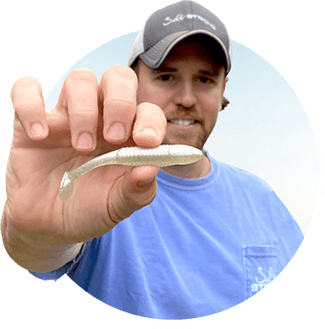
The Tweaker is normally a 4-inch stick bait. I simply cut it in half, giving me two small finesse lures from a single bait.
Then I thread one half onto the round eye jighead.
That’s it!
What makes this combination effective is actually what it doesn’t do.
There’s no paddletail kicking behind it, no exaggerated darting action, and no large profile.
It’s essentially a little do-nothing lure.
And that’s exactly what I want when I’m dealing with sluggish fish.
I’m not trying to trigger an aggressive reaction or get a fish to chase something down. I’m simply offering a small, easy-looking meal that doesn’t require much effort to grab.
How to Fish This Finesse Rig
The retrieve is just as important as the lure itself.
When I’m fishing this setup, I typically focus on shorelines and shallow areas where I’ve seen fish or signs of activity.
I’ll make a cast and slowly reel the lure back while keeping it in contact with the bottom.
The key is to avoid overworking it.
You don’t need big hops, aggressive twitches, or a fast retrieve.
Just keep it moving slowly along the bottom, giving those less-active fish an opportunity to eat without having to chase it.
Remember: low, slow, and small.
On this trip, the results came almost immediately.
After struggling to catch fish with my other presentations, I switched to this little finesse rig.
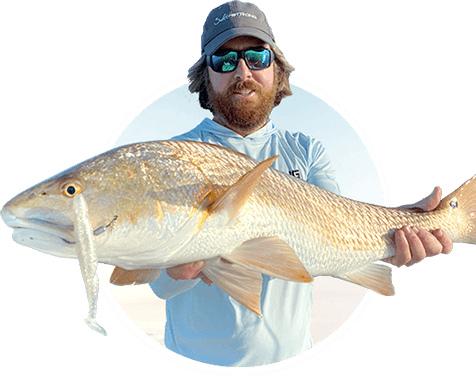
On my third cast, I hooked into a nice upper-slot redfish!
That’s a pretty good reminder that sometimes making your presentation smaller and less aggressive is exactly what you need.
The Best Rod, Reel, and Line for Inshore Finesse Fishing
Because this is such a lightweight presentation, your equipment makes a difference.
You need a rod that can cast a small jighead effectively, but you also want enough backbone to handle a quality redfish or other larger inshore species.
Rod: Medium-Light Power
My preference is a medium-light spinning rod.
I particularly like the Salt Strong Medium-Light Slam Stick because it has a soft enough tip to cast these lightweight lures while still having plenty of backbone for fighting bigger fish.
Some medium-light rods are great for casting small lures but can feel underpowered when you hook into a quality fish.
The Slam Stick gives me a good balance of both.
Reel: 2000–2500 Size
For the reel, I typically use either a 2000 or 2500-size spinning reel.
Both pair well with a medium-light rod and provide a good setup for fishing these smaller presentations.
Braided Line: 8 lb.
I prefer 8-pound braided line for finesse fishing.
The thinner diameter helps with casting lightweight lures, and the sensitivity is useful when you’re fishing slowly along the bottom.
Leader: 10–15 lb.
Most of the time, I’ll start with a 15-pound leader.
However, if the water is extremely clear or the fish are particularly finicky, I’ll sometimes drop down to 12- or even 10-pound leader.
That lighter presentation can be especially useful when you’re dealing with cautious fish in shallow water.
Final Thoughts
The next time you’re out fishing on a gorgeous day with bluebird skies and no wind, but nothing seems to be biting, don’t be afraid to downsize.
Pay attention to what the fish are doing.
If they’re holding tight to the bottom, barely moving, and ignoring your usual lures, try giving them something smaller and easier to eat.
Go low, go slow, and go small.
That simple adjustment turned a frustrating day into a successful one for me, and it might just do the same for you.
Have you ever switched to a smaller finesse lure when the bite got tough? What worked best for you?
Let me know in the comments!
Frequently Asked Questions
What is a finesse rig for saltwater fishing?
A finesse rig is a lightweight setup that uses smaller lures and subtle presentations to target fish that aren’t feeding aggressively. In this example, I’m using a small piece of a stick bait on a 1/8 oz jighead.
Why is fishing sometimes tougher on calm, bluebird-sky days?
Bright sunlight, clear water, and little surface disturbance can make fish more cautious and harder to approach. When fish are already inactive, a smaller, slower presentation can sometimes produce bites when more aggressive tactics aren’t working.
What’s the best rod for inshore finesse fishing?
I prefer a medium-light spinning rod with a sensitive tip for casting lightweight lures and enough backbone to handle larger inshore fish. I pair mine with a 2000 or 2500 size spinning reel.
What line should I use for finesse fishing?
My preferred setup is 8 lb braided main line with a 15 lb leader. In extremely clear water or when fish are especially finicky, I’ll sometimes downsize to a 12 lb or 10 lb leader.
How should I retrieve a finesse lure for redfish?
When targeting sluggish redfish holding close to the bottom, I like to use a very slow, steady retrieve that keeps the lure near the bottom. The goal is to make the bait look like an easy meal rather than something the fish have to chase.



Well Pat for me I pretty much go by water temps because here in northeast florida clear enough water to see fish that close doesn’t come until about late December when the water gets into the mid to low 60s and all the algae particulates die off clearing up the water enough to see fish but definitely not now the water is still to warm yet so until I see the water temps drop usually a fall pattern still produces but it sounds like you were in a post frontal day when maybe a cold fronts came through the night before and when I experience this I fish tighter to cover on structure and downsize my lure sizes and use more small shrimp lures like the 2 inch size chasebaits mini prawn on my beloved Cajun medium action fast tipped 7 ft spinning rod with a shimano nasci 1000 series spinning reel with 10lb power pro and a Berkley 20lb inviso line flourocarbon leader the same setup I use for my night fishing under docks that I slayed the reds flounder and trout on just this past summer I have 2 setups like this one for my shrimp lure the other for a same size paddletail for both nights but finesse fishing in the lare fall into winter when fishing can get pretty slow anyways if you guys finally make this new xt prawn you talk about so much in the 2 inch size I’ll buy some and obviously hook sizes in the 2 ought size to fit them to thanks for the info as usual and all you do🤔😉👍
Finesse fishing. This reminds me of a bass fishing presentation. The presentation was on drop shotting for largemouth but instead of using split shot the presenter used a spider jig instead. How about one half of the tweaker on the jig head and the other half about a foot up on an unweighted twist lock style hook? I’m going to have to try it when I run into this situation.
What is have experienced in my 24 years of fishing inshore saltwater is any tactic and lure for that matter WILL work that is used to catch freshwater bass before I transfered to Florida fir my last 2 duty tours before retiring in the navy after 20 years bass and other freshwater species is all I knew how to fish for tgen after I retired shortly afterwards in 03 I discovered using the same techniques for bass I could catch reds trout flounder pretty much any saltwater species available using the same tactics I used for freshwater bass in fact my first 2 barely slot redfish I caught were fishing a dock on a creekbend for largemouth with a Texas rigged 6 inch culprit red shad colored plastic worm on that same dock I caught 2 reds and 2 largemouth all about the same size and all fishing the same lure that’s the great thing about inshore saltwater fishing if you know how to catch freshwater bass then you know how to catch saltwater inshore fish to goodluck🤔😉👍
Great Info Pat thanks.
Great info Pat!!
Interesting.. I may have tried a small shrimp presentation. Then try the old trick of pulling off the tail of a 2.0. Another tip to add to my arsenal of baits.
Have you tried the new urchin baits? I’ve been reading how successful they have been. They don’t look like anything in the food chain, but they catch fish.