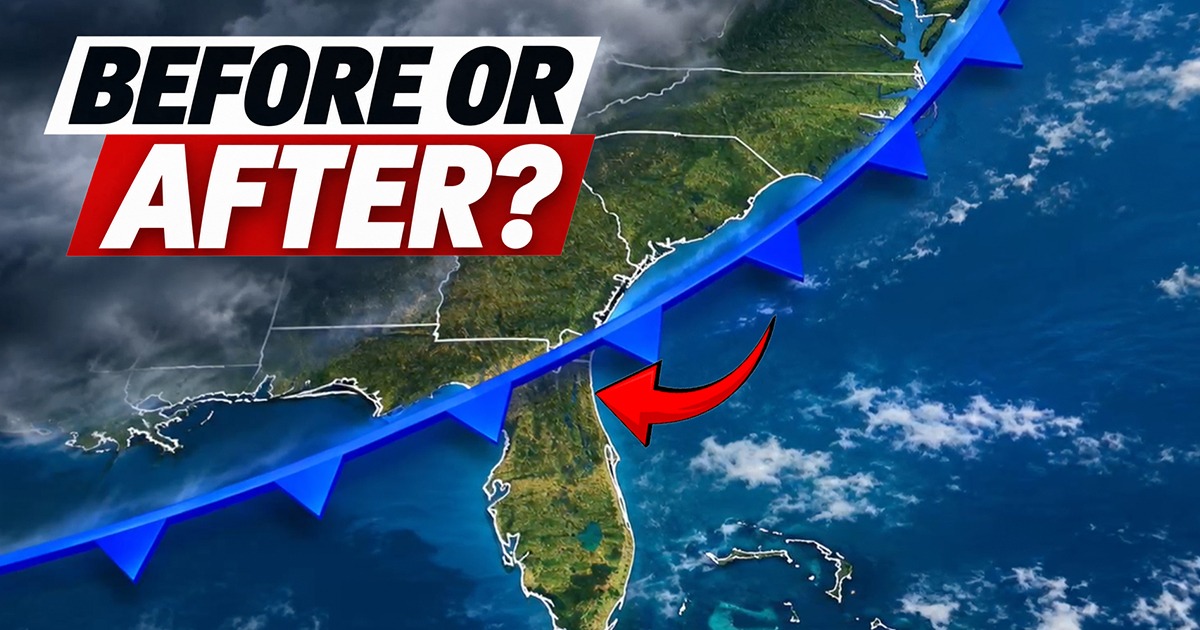
Cold front season is here, and if you’ve spent much time fishing for redfish, trout, or snook, you know just how quickly a cold front can change the bite.
One day, the fish are feeding aggressively, and the next, it can feel like they’ve completely disappeared.
But here’s the thing: A cold front doesn’t necessarily mean you’re going to have a bad day of fishing.
Knowing when to get out, how to adjust your presentation, and where to look for fish as conditions change can make a HUGE difference.
I recently got out on the water just ahead of a strong cold front and found some hungry redfish and trout.
Along the way, I put a few simple tactics to work that can help you make the most of these changing conditions.
Let’s break them down!

Want to take the guesswork out of finding fish? Smart Fishing Spots helps you identify productive areas, plan around changing conditions, and make the most of your time on the water.
Featured Gear:
- Rod: Slot Machine Medium
- Reel: Otis 2500
- Lure 1: Mulligan 4″ Paddletail – Terd Ferguson Color
- Lure 2: Polk County Tweaker – Terd Ferguson Color
- Hook: Hoss Helix Hook 3/0 1/8oz
- Mainline: Diawa J-Braid 10lb
- Leader: Ande 15lb Mono Leader
1. Take Advantage of the Prefrontal Feeding Window
One of my favorite times to fish during cold front season is right BEFORE a front pushes through.
As that front approaches, fish can become much more aggressive, giving you an opportunity to catch them while they’re actively feeding.
That’s exactly what I was hoping to take advantage of on this trip.
With a strong front approaching over the next day or two, I started working a shoreline with a 4-inch Mulligan paddletail in the Turd Ferguson color.
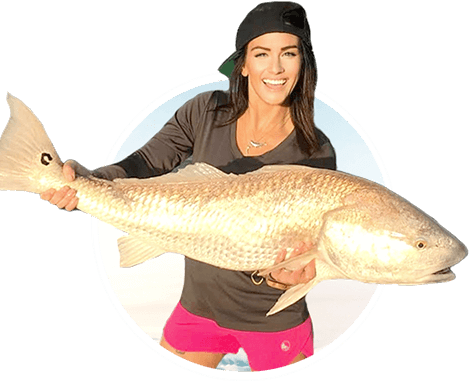
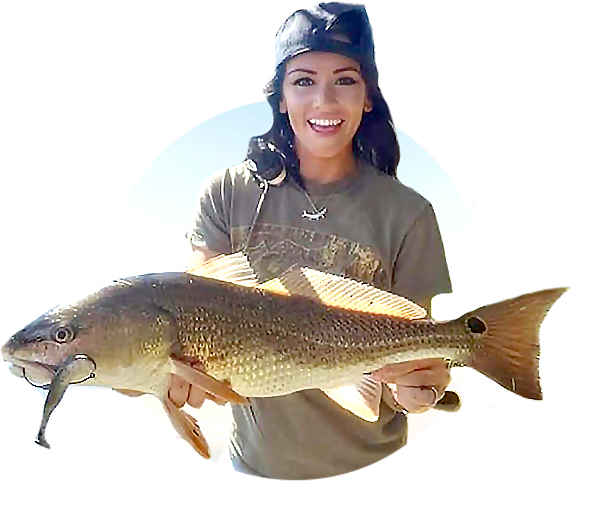
It didn’t take long before I hooked into my first redfish!
Something worth paying attention to was the water clarity.
The water was extremely dirty and stirred up, which influenced both my lure selection and how I was retrieving it.
When the water is dirty, I generally like to match my lure color to those conditions.
That root beer color with gold and red flash worked well in the stained water.
I also like using a slightly larger lure profile in these conditions. Something in the 4- to 5-inch range can help fish locate your presentation.
But lure selection is only part of the equation.
2. Adjust Your Lure and Retrieve as Conditions Change
Even when fish are actively feeding ahead of a cold front, you still need to pay attention to how they’re reacting to your lure.
I generally like to have two different lure profiles rigged up and ready to go.
A paddletail for more vibration and movement.
When the water is choppy, visibility is low, or I need something that creates a little more commotion, a paddletail is one of my first choices.
I’ll typically start with a slow, steady retrieve, keeping my rod tip up to help keep excess line out of the water.
Every so often, I’ll add a couple of pops to draw attention to the lure.
A more subtle lure for calmer conditions.
When the water gets really calm, particularly as the sun gets higher, I’ll often switch to something with a more subtle presentation.
That’s where a lure like the Tweaker comes into play.
Even during prefrontal conditions, fish can become spooky. Having that second option ready allows me to quickly adjust without wasting time.
Sometimes a Simple Pause Makes All the Difference
One of the coolest moments from this trip came when I started getting strikes from some nice trout.
They weren’t hitting my lure during a continuous retrieve.
Instead, I noticed they were striking when I stopped reeling and let the lure sink.
So I made a small adjustment.
Reel. Stop. Let it sink. Repeat.
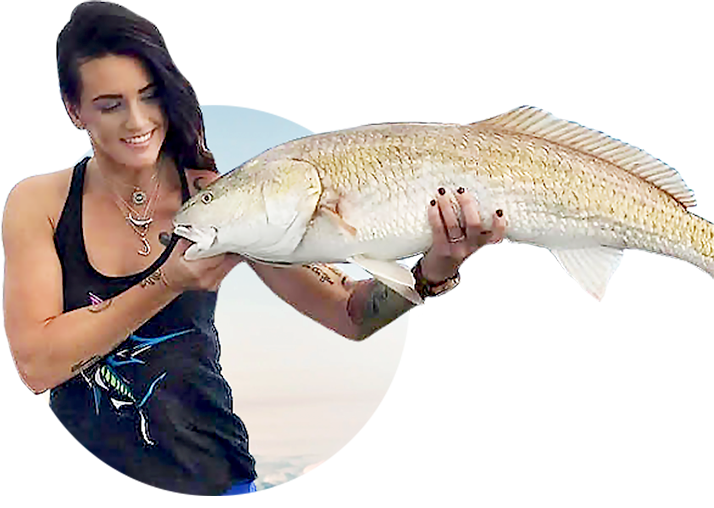
And sure enough, I hooked into a really nice trout!
That’s a great reminder that you don’t always need to change lures when fish aren’t committing.
Sometimes changing the way you retrieve your lure is all it takes to turn follows or short strikes into hookups.
3. Know Where Fish Go AFTER a Cold Front
Now, here’s something I really want you to think about the next time you’re fishing ahead of a cold front.
Don’t just pay attention to where you’re catching fish.
Pay attention to where those fish might go once the front pushes through.
After a strong cold front, fish will often become less aggressive as water temperatures drop.
They may also move away from the shallow areas where you were finding them before the front.
But that doesn’t necessarily mean they’ve traveled very far.
Often, they’ll simply reposition into nearby deeper water.
That’s why I recommend looking for areas such as:
- Deeper potholes near productive shallow flats.
- Channels and troughs adjacent to shorelines.
- Deeper pockets within protected coves.
- Wind-protected shorelines with nearby shallow and deep water.
For example, during this trip, I was finding fish relatively close to the shoreline.
But I also noticed deeper water and grass farther out in the cove.
Once colder conditions arrive, those deeper areas are exactly where I’d start looking for fish that have pulled away from the shallows.
Another important consideration is wind protection.
After a front pushes through, I’ll generally focus on protected areas that offer access to both shallow and deeper water.
As conditions stabilize and the sun starts warming the shallows again, those fish can begin moving back toward their feeding areas.
The key is understanding how those different areas connect.
Final Thoughts
Cold fronts can definitely make inshore fishing more challenging, but they also create some great opportunities if you know what to look for.
Before a front, take advantage of potentially aggressive fish and don’t be afraid to experiment with different lure profiles and retrieves.
After a front, think about where those same fish may have repositioned. Look for deeper water near productive shallow areas, particularly in places protected from the wind.
And remember, you don’t always have to make a dramatic change to start catching fish.
Sometimes it’s as simple as slowing down your retrieve, adding a pause, or moving a short distance into deeper water.
Now I’d love to hear from you!
Do you typically have better luck fishing BEFORE or AFTER a cold front?
Let me know in the comments below!
Frequently Asked Questions
Is fishing better before or after a cold front?
Fishing can be particularly productive before a cold front when fish become more aggressive and actively feed. After a strong front, falling water temperatures can slow the bite, requiring adjustments to your location and presentation.
Where do redfish and trout go after a cold front?
Redfish and trout will often reposition into deeper pockets, troughs, channels, and other areas near the shallows they were previously feeding in. Protected areas with nearby deeper water can be especially worth investigating.
What lures work best before a cold front?
Paddletails in the 4- to 5-inch range can be effective, particularly in dirty or stirred-up water. More subtle soft plastics can also work well when conditions are calm or fish are easily spooked.
Should I slow down my retrieve during a cold front?
It depends on how the fish are reacting. Before a front, a steady retrieve can work well, but adding pauses or allowing your lure to sink can trigger additional strikes. After a front, slower presentations are often worth trying when fish become less aggressive.



Thanks Tony
I’m surprised you didn’t mention shrimp lures in your lure presentations after the cold fronts moves through i basically fish post frontal conditions like I fish in the winter time when the water is cold and fish are slow but considering that everything that is alive still needs to feed and eat no matter how uncomfortable the conditions may be when they are doing it but I found that downsizing my presentations and fishing slower usually I’ll get bit at least some but your right in that before the front arrives fish can and alot of times will put the feedback on so to speak and can become very active but for me because I only go out every other week I’m kinda limited to my knowledge in what the conditions are and like I have said before I go mostly by what the water temps are at present if they are stable and not really changing like in the summer months then i pretty much know that the tactics and techniques I used from my teip before will pretty much apply for the upcoming trip but if the water temps have gotten colder from the last trip then I know I need to slow down my retrieve and downsize my lures while also be looking for deep water close by cover on structure that I normally know they would use if the water temps were stable and in there comfort temp zone which all species have stay in that comfort zone and fish can be very active but if conditions get to warm or cold outside of those comfort zones then most likely one needs to slow down and fish like one does in winter has worked for me for over 23 years now soon to be 24 not bragging just saying thanks for your great Intel as usual Tony and all you do🤔😉👍
What boat are you in?