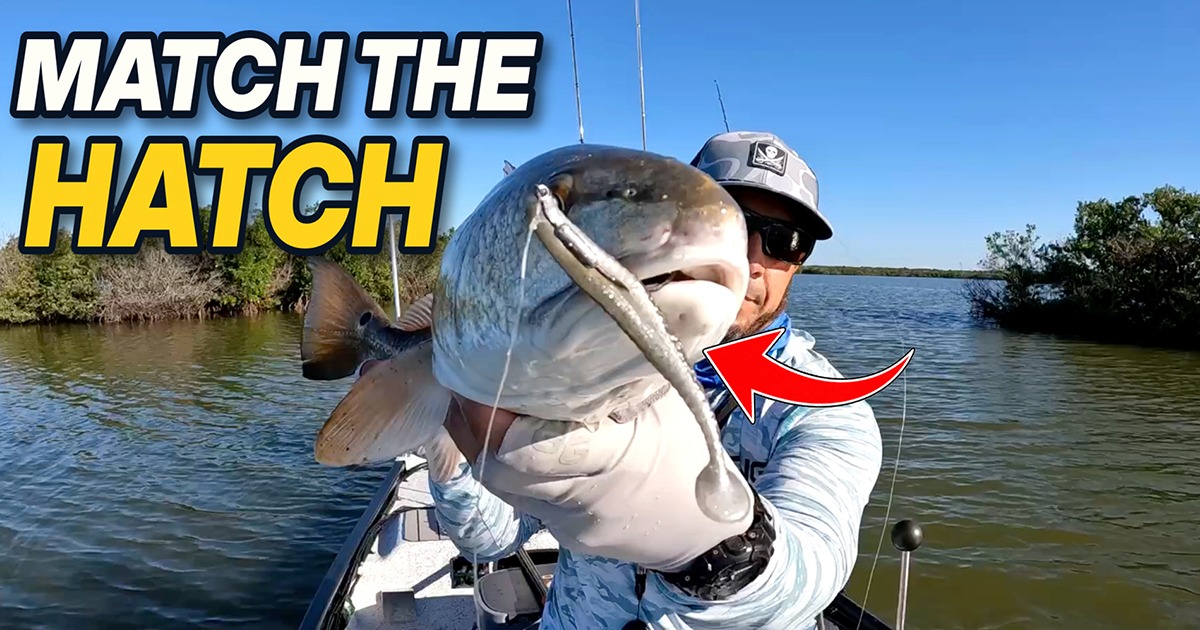
Fall is one of the BEST times of year to catch redfish, trout, and snook!
As water temperatures begin to cool, baitfish become a major food source for inshore predators.

And if you can figure out what those fish are feeding on, you’re already one step closer to getting more strikes!
That’s where matching the hatch can make a HUGE difference.
In this video, I’m breaking down how I match the hatch during the fall, why lure profile and presentation matter, and how I adjust my approach as conditions change.
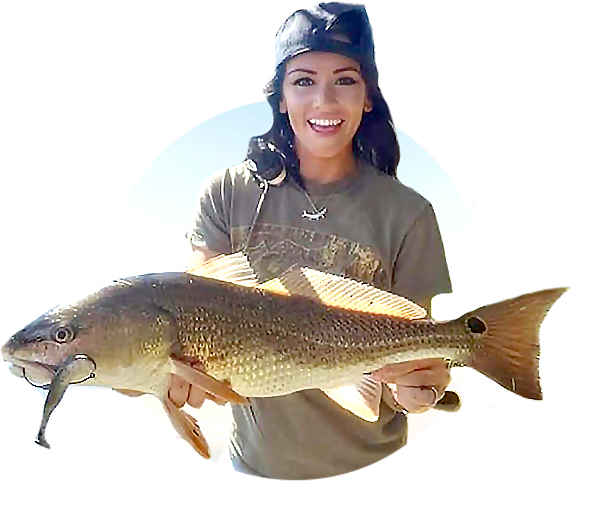
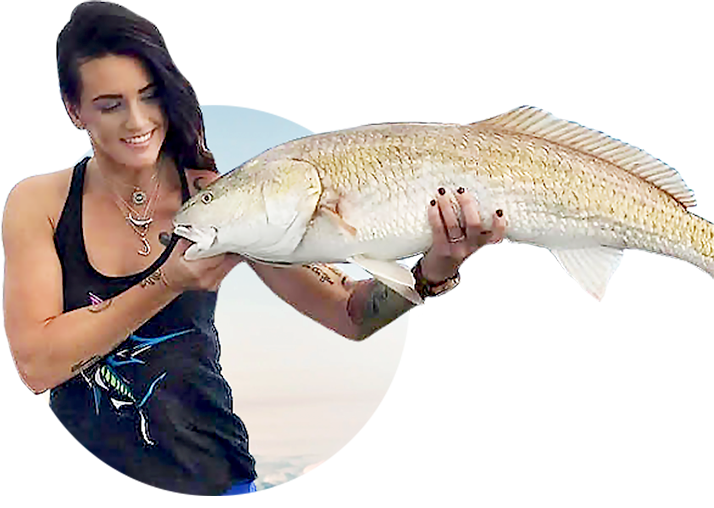
And to put this strategy to the test, I managed to catch a complete inshore slam!

Featured Gear
- Rod: Slot Machine Medium
- Reel: Otis 2500
- Lure 1: Skinny Lipper
- Lure 2: 4″ Mulligan Paddletail
- Line: 10 lb J-Braid
- Leader: 20-30lb Ande Mono
Salt Strong Insiders save 20% on tackle at Fish Strong!
MATCH THE HATCH & SAVE BIG!
Want more options for matching the baitfish this fall?
We’ve put together 9 proven mullet-inspired lures to help you cover different baitfish sizes, profiles, and presentations!
Get all 9 lures and SAVE 20%!
SALT STRONG INSIDERS SAVE 40%!
👉 SHOP THE MATCH THE HATCH COLLECTION →
Why Matching the Hatch Matters in the Fall
During the fall, there’s often an abundance of baitfish throughout the inshore shallows.
And redfish, trout, and snook are taking full advantage!
When predators are dialed in on a particular food source, using a lure that resembles what they’re feeding on can help you get more bites.
But matching the hatch isn’t JUST about choosing the right color.
It’s about matching the size, profile, and presentation of the baitfish in the area.
For example, during this trip, there were plenty of large mullet swimming around and creating big boils on the surface.
Those larger mullet were stirring up the bottom and disturbing smaller baitfish.
And those smaller baitfish presented an easy feeding opportunity for nearby predators!
That’s why paying attention to the baitfish around you is so important.
You don’t necessarily need to imitate the biggest baitfish you see. Sometimes it’s the smaller baitfish getting disturbed that predators are actually targeting.
Choosing the Right Lure to Match the Hatch
For this trip, I brought along two different lures with similar baitfish profiles:
- The Skinny Lipper hardbait
- The Mulligan paddletail
Both featured a natural mullet color pattern, but the real advantage was having two different presentations to match the changing conditions.
Starting With the Skinny Lipper
Early in the morning, I started throwing the Skinny Lipper.
The water was murky, and we were fishing around submerged grass, oysters, and other shallow structure.
The Skinny Lipper was a great choice because it creates plenty of wobble, vibration, and noise to help fish locate the lure.
It also swims just beneath the surface and floats back up when paused.
This allowed me to keep the lure above the structure while staying in the strike zone.
And it didn’t take long to start getting results!
I caught a speckled trout followed by a nice snook, both on the Skinny Lipper.
Two species down. One more to go!
Adjusting Your Presentation as Conditions Change
One of the biggest mistakes anglers can make is sticking with the same presentation when conditions change and the bite slows down.
As the morning progressed, the sun got higher, the wind picked up, and the Skinny Lipper bite started slowing down.
Rather than continuing to throw the same lure, I switched to the Mulligan paddletail.
The important thing?
I was still matching the same general baitfish profile, just presenting it differently!
This allowed me to adjust to the conditions without completely changing my approach.
And that switch paid off!
I hooked into a beautiful redfish sitting along a shoreline cut where wind-driven water was flowing through.
That redfish completed my inshore slam for the morning!
It’s a great reminder that sometimes you don’t need an entirely different lure color or baitfish imitation.
You just need to change HOW you’re presenting it.
Finding Feeding Fish Is MORE Important Than Lure Color
Now, there’s one important point I want to make.
You can have the perfect baitfish imitation tied on, but if you’re fishing where there aren’t any actively feeding fish, you’re going to struggle.
Finding the right fish in the right conditions is ALWAYS a priority.
Take the redfish from this trip, for example.
I was fishing a spot marked in our Smart Fishing Spots app, but the fish wasn’t just sitting anywhere along that shoreline.
It was positioned near a point, right beside a cut where water was flowing through.
That’s what we mean when we talk about finding the spot within the spot.
You can’t just pull up to a promising shoreline and expect fish to be everywhere.
Look for the smaller details that concentrate baitfish and create feeding opportunities, such as:
- Points with current wrapping around them
- Shoreline cuts with moving water
- Baitfish activity near structure
- Areas where wind and current create feeding opportunities
Those little details can make all the difference!
And once you find those feeding fish, matching the hatch with the right lure profile and presentation can help you capitalize on the opportunity.
Final Thoughts
Matching the hatch is one of my favorite strategies for fall inshore fishing.
But remember, there’s no single magic lure color that’s going to catch fish everywhere!
If you already have a lure color that’s producing fish, there’s no reason to change it.
However, if you’re struggling to get bites or aren’t sure where to start, choosing a natural baitfish imitation is a great option.
Pay attention to what the fish are feeding on, match the general size and profile of those baitfish, and adjust your presentation as conditions change.
Most importantly, focus on finding actively feeding fish!
If you’re struggling to locate productive fishing spots, be sure to check out the Salt Strong Insider Club for access to Smart Fishing Spots, fishing courses, and a community of anglers sharing what’s working on the water.
What’s your favorite lure or strategy for matching the hatch during fall fishing?
Let me know in the comments below!
Frequently Asked Questions
What does matching the hatch mean in fishing?
Matching the hatch means selecting a lure or bait that resembles what fish are naturally feeding on. For inshore fishing, this typically involves matching the size, profile, color, and movement of local baitfish or other prey.
Why is matching the hatch important during fall fishing?
During the fall, many inshore predators focus heavily on baitfish as water temperatures begin to cool. Using lures that imitate those baitfish can help you present something familiar to actively feeding redfish, trout, and snook.
Does lure color matter when matching the hatch?
Lure color can play a role, but it’s just one part of the equation. Lure size, profile, action, presentation, and finding feeding fish are all important considerations. If a particular color is already working for you, there’s no reason to change it simply to match a different pattern.
Should I use a hardbait or paddletail in the fall?
Both can be effective! A shallow-running hardbait like the Skinny Lipper is a great option for covering water and creating vibration near the surface. A paddletail offers a different presentation that can be especially useful as lighting, wind, and water conditions change.
What’s the best way to find feeding fish in the fall?
Look for baitfish activity, moving water, shoreline points, cuts, and structure that create feeding opportunities. Pay attention to the specific areas where predators can position themselves to ambush baitfish rather than fishing an entire shoreline without a plan.



Great video! That one cut was money and you called it!
Thank you Tony for the excellent information. My go-to lure is the Terd Ferguson New Penny. Just last Monday, I got two 20-inch Reds, while my friends got skunked. However, as rookie fishermen I always try your tips and the rest of the Salt Strong team.
Hey Tony,
Thanks for the video and excellent info.
Most ambush fish actually ‘inhale’ their prey when they strike it, especially snook. They simultaneously open their gills and mouth, which creates suction.
Have you ever been fishing at night when it’s calm and heard the ‘bloop’ sound a snook makes when striking a baitfish near the surface?
Freshwater bass also do the same thing, and I’m pretty sure grouper do too, just deeper.
I once caught a huge black bass that just sucked a 4″ Dalton Special under with that ‘bloop’ right in front of me and never actually made a surface splash.
I will never forget that sound.
If you ever read any of my posts especially during this past summer im pretty much the only northeast fl saltstrong insider that specifically night fish and can tell you that when it comes to matching the hatch I found that ever since I downsized my lure selections to match the 2 ibch sized both shrimp and baitfish that I noticed predator fish chasing making the bait seemingly pop out of the water like popcorn in a microwave so after matching this size range my catches skyrocketed compared to when before I just used the bigger lured I used during the daytime periods I noticed your call name you use strayed cat? Very strange goodluck🤔
Thanks Tony……my go to lures this fall!! Mullet colors work great!!!
Hands down… 4” Mulligan in (LeBronze) mullet color with a 3/0 Hoss Helix weighted hook is the best lure I have fished in 5 years of living in FL… fall, spring, summer… works all year. I had a mullet skinny lipper that I lost, but that, too, caught my personal best trout 2 years ago (24”). So I whole-heartedly agree with Tony’s video here!
Actually Tony i ALWAYS match the hatch so to me its very important in ALL seasons not just fall in fact just this year I tried doing this that I normally didnot do in the past I downsized both my paddletail and shrimp profile lures that in years past I used the same lure sizes I used during the daytime I did this because of the numerous times I observed both small minnows and shrimp popping out of the water at night under the docklights I fish and as soon as I downsized to match the hatch my catch rates skyrocketed and you know because of all my summer night fishing reports from all my catches with all my fish photos but then when it gets close to first light and im no longer night fishing I switch to bigger lure sizes because I seem to observe bigger bait in and around the exspansive flats I fish in the summer in the few hours I fish before it gets to hot for me then I go home even during the colder months of winter I am always looking for bait to know what size is in the area im fishing and to me this is all just good common sence and being a baby boomer who’s generation was pretty much the last to seem to use it I live by it thanks for your always valuable intell and what you do🤔😉👍