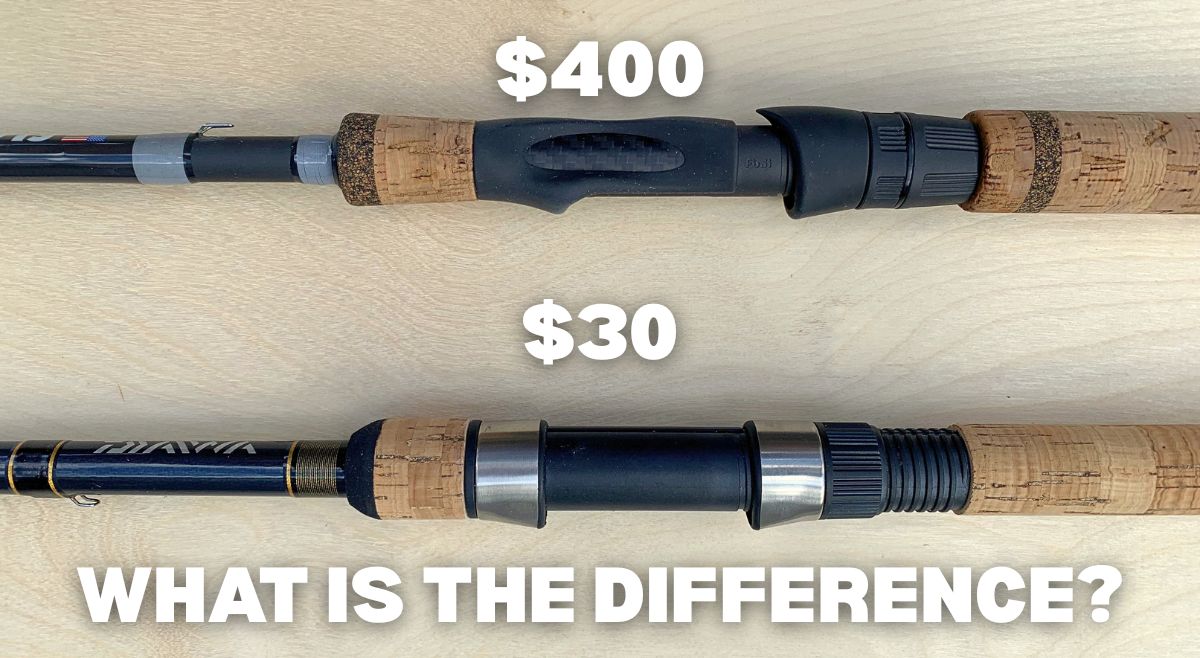
Every angler faces the same question: How much should I really spend on a rod? From entry-level to full custom, not every jump in price gives you the performance you would expect.
Watch this entire video and you’ll get a clear look at what you gain (and what you don’t) at each price point.

Featured Rods:
- Slam Stick
The most popular rod among Insider Club Members and the one designed specifically for the Salt Strong system. Built to pair perfectly with artificial lures, the Slam Stick delivers the balance, sensitivity, and durability needed for all-day inshore fishing. It sits squarely in the mid-range price category but performs well beyond it, making it the go-to choice for anglers who want proven performance without jumping to premium pricing. - TFO Pro
A solid option in the $100 – $150 range and a common upgrade path for anglers moving up from entry-level rods. Lightweight and sensitive with dependable components, the TFO Pro is included here as a reference point across price tiers, helping anglers understand when a more affordable rod makes sense and where performance differences begin to show. - Slot Machine
Our premium rod for anglers who want the lightest, most responsive setup possible. Built with top-tier materials and extreme sensitivity, the Slot Machine is designed for maximum feedback and control when targeting pressured or finicky fish. This is the rod for anglers who want zero compromise in feel, balance, and strength.
Final Thoughts
The right fishing rod isn’t about the highest price tag; it’s about matching your gear to your budget, style of fishing, and needs. Whether you stick with an entry-level rod or invest in a full custom rod, focus on the features that will help you catch more fish and enjoy more time on the water.
IMPORTANT REMINDER
The 2 core benefits we promise to Insider Club members is to be able to find and catch fish easier than ever before while saving money on fishing equipment.
So I am including links to the quickest ways to achieve each:



really great INFORMATION THANKS
I’d love to move up tiers, but money limits me to the beginners category.
I’m just thankful that they have decent rods & reels for under $75!!
Thanks for the info!
Thanks for the info
Great video Pat! Unfortunately my budget only allows me to be in the $100 rod category but I have found that Fenwick HMG rods are durable and sensitive. I have had some for over 5 years now and they have held up very well and I’m they guy that can find the ceiling fan when rigging for a trip lol Thanks for all the great videos!
I’ve heard good things about the Fenwick, they have a pretty good fan base. Appreciate you watching Chris!
Well said, Pat! Very informative video, thanks. I’ve figured much of this out over the years but it’s interesting to hear your explanation and you added some info I didn’t know. I’ve got some starter Ugly Stiks (purchased when I was less informed) that I still use at times (cut bait and for loaners) but also have three slot machines. I love them but I did break a tip on one. I also have a medium heavy TFO pro. My latest purchase was a Slam Stik Traveler that I haven’t used yet.
I really like that Slam Stick Traveler, I keep it together and use it as one of my dailies. I’m sure you will like it too. Thanks for watching!
Great information as always Pat. I used big box store rods for many years when I was drowning bait and thought $100 rod was pricy. When I started using artificials those $100 rods always seemed like fishing with a wet noodle when setting the hook. My first rod decent rod was the TFO Travel Rod I keep in my car for when I’m working near the coast. It has a decent action to fish a popping cork with a shrimp , spoons etc off the rocks. Started fishing with a buddy that was a G Loomis Bass guy he was up grading his E6X rods to the NRX rods so I ended up with 3 different weight E6X rods. The difference between the TFO and E6X in casting difference and bite feel was night and day! Still like the E6X and I have recently picked up a Slot Machine it’s a sweet tool in the box but as you mentioned in this clip it’s “The Law of Diminishing Returns”. Going from a $100 rod to a $200+ to a big noticeable difference not so much of a WOW factor when going from the $200 rod to the $300 yo $400 rod !
It’s always good to find something you like, as long as the manufacture doesn’t change it to your dismay. I can still remember that first nice $100 dollar rod and was so impressed with it. I probably will never have that feeling again on another rod.
Pat do you recommend the Medium Light or Medium Slam Stick?
Ray, I read your comment below this one. The Slam Stick, Traveler, and Otis 2500 reel are made in China too. The Slot Machine rod is .
Thanks Rob.
Depends on what lures you throw the most, or at least your intentions with this rod. Open flats with anything from a Ned Rig to a 2.0, and small plugs like a Hedon Tiny Torpedo or Flea Flicker, I like the Medium Light. Fishing around structure with Mulligan sized paddle tails and above, or hard lures like a Moonwalker or Skinny Lipper, I like the Medium.
Very good video, Pat. Learned a lot.
My favorite rod is the TFO Pro paired with a Fuego 2500. But after I bought it I found out it was made in China which turned me off personally from any future purchases. but is is a nice rod.
Which rods use the nano resins?
There’s quite a few manufactures that use the Nano Resin, but it’s mostly higher end rods for now. This will trickle down into other price ranges soon I’m sure as it saves on material and likely would cost less to manufacture.
It’s getting more and more difficult to find rods 100% build in the USA. I know of a few, Cashion and Cajun come to mind but even then they will use Japanese components a lot of the times.
Great video Pat. I have 4 rods I carry on my kayak. 2 Ugly Sticks for live shrimp, live bait and cut bait. Two more are TFO Pro’s that I have rigged up for artificials. Without really thinking it thru I probably ended in an ok spot. Next step is the “Intermediate” rod’s like a Slam Stick once I move to more artificials. Thanks for the video
Glad you liked it Jeff!
Great Video Pat! I fish both the Banana River and the surf here around central Brevard County. I use Ugly Sticks paired with Penn Fierce reels for me in the surf and Walmart specials for friends who throw stuff down in the sand. The Slam Stick paired with an Otis 2500 is my go to river combo. Cheaper rods and reels for guests there as well. I like others try to be careful with my stuff but going to the beach is never a fragile trip. Thanks again for a great video.
Thanks for watching and the comment Scott! That sand at the beach gets EVERYWHERE!